
Climbing Kilimanjaro 2027 Date & Price
Climbing Kilimanjaro 2027: Dates, Prices, Routes & Complete Climbing Guide
Are you planning to climb Mount Kilimanjaro in 2027? Discover everything you need to know before embarking on an unforgettable adventure to the Roof of Africa. At Kili Footprints Treks, Safaris & Cycling, we organise affordable, safe and professionally guided Kilimanjaro climbing expeditions for individuals, couples, families and groups.
Whether you are looking for a Machame, Lemosho, Marangu, Rongai or Northern Circuit climb, we can help you choose the right route, prepare for the altitude and plan your journey to the summit.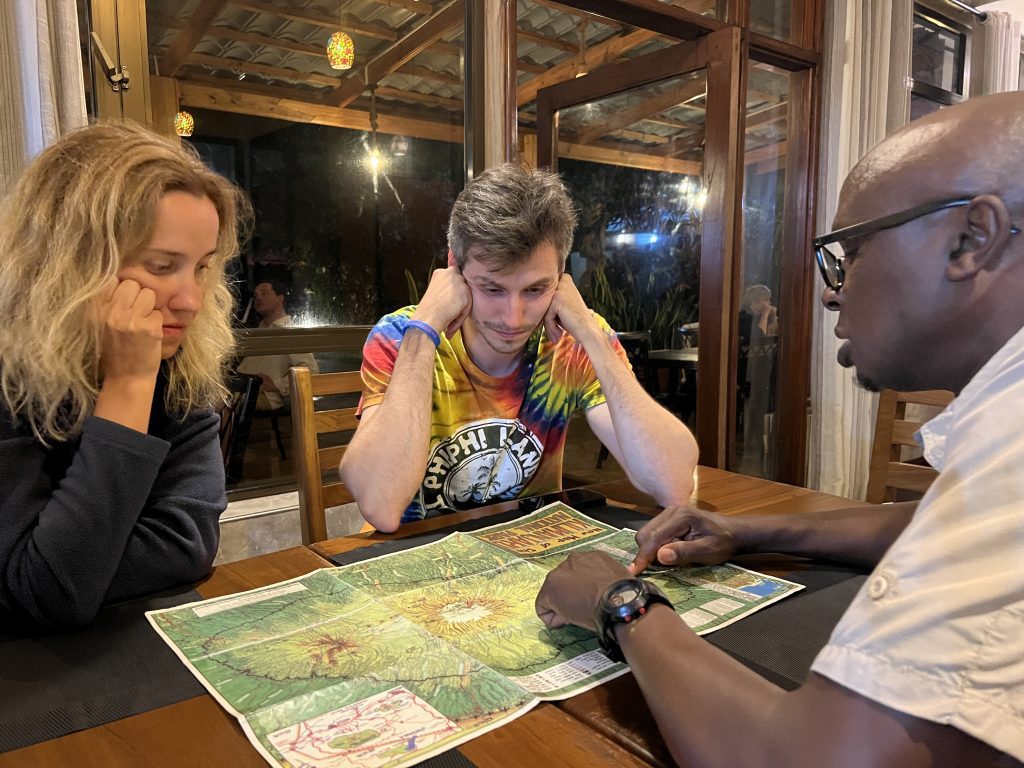
Our 2027 Kilimanjaro packages include scheduled group departures and private climbs throughout the main climbing seasons. You can compare prices, departure dates, routes and trip durations below.
Start planning your 2027 Kilimanjaro adventure with a local Tanzanian tour operator based in the Kilimanjaro region.
Contact Kili Footprints to plan your climb
Mount Kilimanjaro: Important Facts
Mount Kilimanjaro is Africa’s highest mountain, standing at 5,895 metres (19,341 feet) above sea level. It is also the world’s highest free-standing mountain and one of the famous Seven Summits.
Located in northeastern Tanzania, close to the town of Moshi, Kilimanjaro is a dormant volcanic mountain consisting of three volcanic cones: Kibo, Mawenzi and Shira.
The highest point, Uhuru Peak, is located on Kibo and attracts thousands of trekkers from around the world every year.
Unlike technical mountains that require advanced mountaineering skills, Kilimanjaro can be climbed by reasonably fit people with proper preparation, professional guides and a suitable acclimatisation schedule.
Mount Kilimanjaro at a glance
- Mountain: Mount Kilimanjaro
- Location: Northern Tanzania, East Africa
- Highest point: Uhuru Peak
- Elevation: 5,895 metres (19,341 feet)
- National park: Kilimanjaro National Park
- Mountain type: Dormant volcano
- Number of main trekking routes: Seven commonly used routes
- Average climbing duration: 5–9 days
- Best climbing seasons: January–March and June–October
- Nearest international airport: Kilimanjaro International Airport (JRO)
- Main gateway town: Moshi
Kilimanjaro Group Climbing Dates and Prices 2027
Joining a scheduled group climb is one of the best ways to experience Mount Kilimanjaro while sharing the adventure with other international travellers.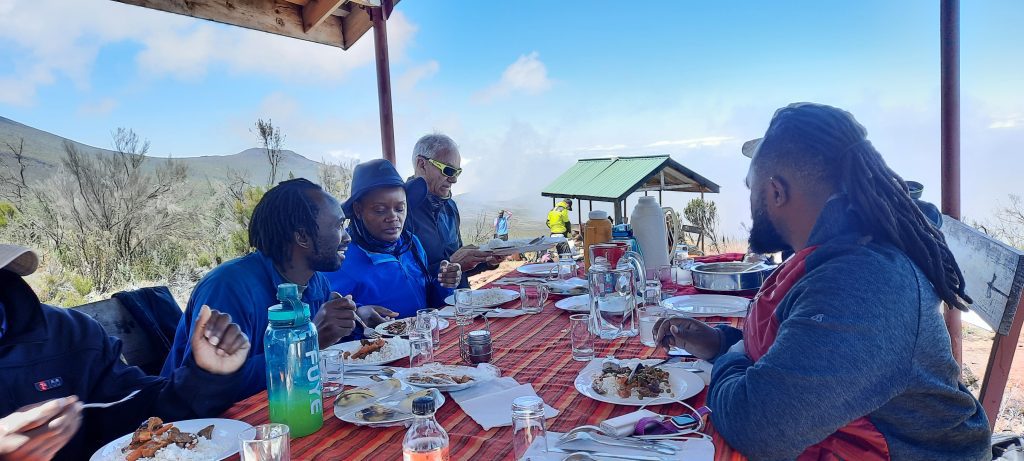
Our group climbs bring together solo travellers, couples, friends and small groups who want to reach Uhuru Peak with an experienced mountain crew.
Below are our advertised 2027 group departures.
| Route and duration | Departure dates 2027 | Price per person |
|---|---|---|
| Machame – 7 days | 31 July – August (final date to confirm) | $2,339 |
| Machame – 6 days | 12–19 August (duration to confirm) | $2,148 |
| Lemosho – 8 days | 1–10 September | $2,649 |
| Machame – 7 days | 28 September – 6 October | $2,322 |
| Lemosho – 7 days | 9–17 October | $2,339 |
Prices are quoted in US dollars per person. Confirm the final departure dates, itinerary duration, availability and package inclusions with our team before booking.
Why join a Kilimanjaro group climb?
- Share the experience with other climbers from different countries.
- Enjoy the support of professional mountain guides and porters.
- Make new friends during your Tanzanian adventure.
- Share the mountain experience while keeping the cost more affordable than a solo private expedition.
- Enjoy organised accommodation, transfers and mountain logistics according to your selected package.
Can’t find your preferred departure date?
We can arrange a private Kilimanjaro climb on your preferred dates. Private climbs offer more flexibility in route selection, pace, departure dates and group arrangements.
Explore our Kilimanjaro climbing packages
How Much Does It Cost to Climb Kilimanjaro in 2027?
The cost of climbing Mount Kilimanjaro in 2027 generally ranges from approximately US$1,900 to US$3,500 per person, depending on the route, number of days, group size, accommodation arrangements and level of service.
Longer routes usually cost more because they require additional park fees, camping arrangements, meals, staff and mountain logistics.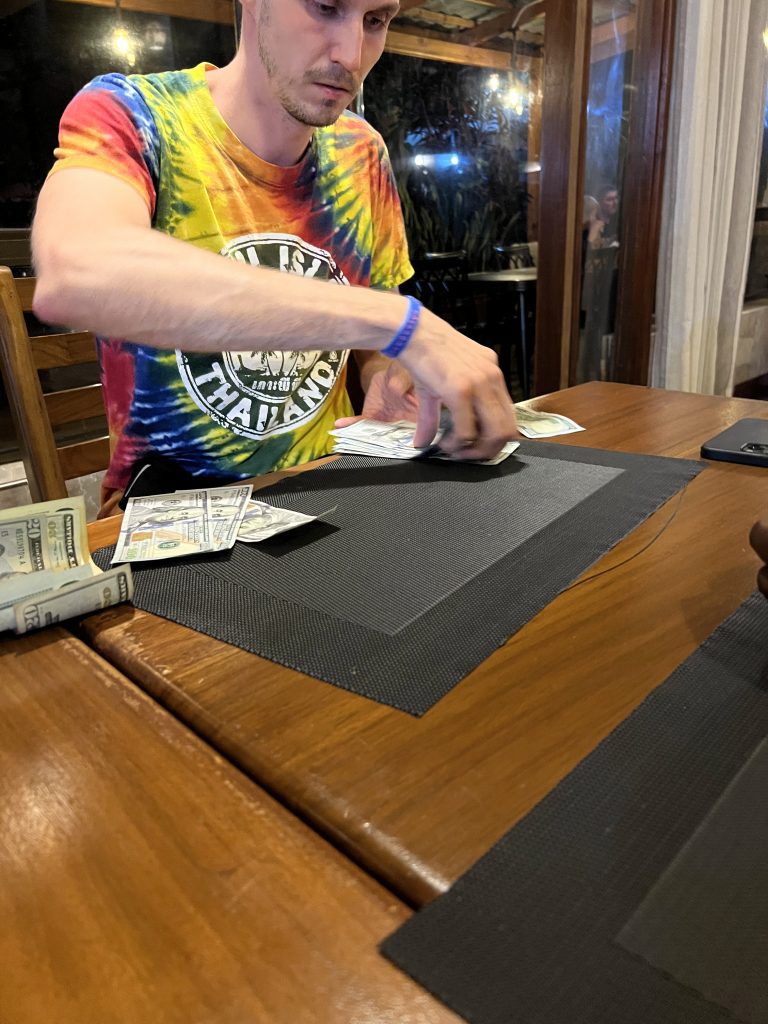
Here is an approximate guide to the different climbing options:
| Kilimanjaro package | Estimated price per person |
|---|---|
| Budget group climbs | $1,900–$2,200 |
| Standard Machame climbs | $2,100–$2,600 |
| Lemosho climbing packages | $2,300–$3,000 |
| Longer acclimatisation routes | $2,500–$3,500 |
| Private and premium climbs | Depends on itinerary |
These are indicative planning ranges, not guaranteed quotations. Your final price depends on the exact itinerary and inclusions.
What is included in a Kilimanjaro climbing package?
A professionally organised Kilimanjaro climbing package generally includes:
- Kilimanjaro National Park entrance fees.
- Camping fees or mountain hut accommodation, depending on the route.
- Professional mountain guides.
- Registered mountain porters.
- Mountain cook and food supplies.
- Drinking water on the mountain.
- Tents and communal dining equipment on camping routes.
- Rescue-related park fees.
- Government taxes and applicable levies.
- Transfers to and from the mountain gates, according to your package.
What is usually excluded?
- International flights to Tanzania.
- Tanzania visa fees.
- Personal travel and medical insurance.
- Personal climbing equipment and clothing.
- Tips for guides, cooks and porters.
- Personal expenses and optional activities.
- Hotel accommodation unless specified in your quotation.
- Additional services not listed in your package.
Important: Always request a detailed quotation showing what is included and excluded before paying a deposit.
For a more detailed breakdown, read our Cost of Climbing Kilimanjaro guide.
How Long Does It Take to Climb Mount Kilimanjaro?
Climbing Mount Kilimanjaro usually takes between five and nine days, depending on the route and itinerary you select.
Although shorter climbs are available, we recommend spending at least seven days on the mountain whenever possible. Additional days allow your body more time to adjust to the decreasing oxygen levels as you gain altitude.
Altitude acclimatisation is one of the most important factors in a successful Kilimanjaro expedition.
Here are the common climbing durations:
- Marangu Route: 5–6 days.
- Machame Route: 6–7 days.
- Lemosho Route: 7–8 days.
- Rongai Route: 6–7 days.
- Umbwe Route: 6–7 days.
- Northern Circuit: 8–9 days.
For most first-time climbers, a seven- or eight-day itinerary is a better choice than rushing to the summit.
The mountain is not a race. Walking slowly, following your guide’s instructions and allowing enough time for acclimatisation can make a significant difference to your experience.
Can Beginners Climb Mount Kilimanjaro?
Yes! Beginners can climb Mount Kilimanjaro without previous mountaineering experience.
Kilimanjaro is primarily a trekking mountain, meaning you do not need technical climbing equipment or advanced mountaineering skills for the standard routes.
However, being a beginner does not mean the mountain is easy.
The biggest challenge is the altitude. At 5,895 metres, the amount of available oxygen is significantly lower than at sea level. Even physically fit people can experience altitude-related symptoms.
We recommend that beginners:
- Choose a seven-day or longer itinerary.
- Start physical training at least 8–12 weeks before arrival.
- Practise hiking on hills and uneven terrain.
- Include cardiovascular and endurance exercises in their training.
- Learn how to use trekking poles.
- Choose appropriate hiking boots and clothing.
- Follow the advice of their mountain guides.
Our recommended routes for beginners are the seven-day Machame Route and the eight-day Lemosho Route.
Read our Kilimanjaro Training Plan to prepare for your adventure.
Who Can Climb Mount Kilimanjaro?
Kilimanjaro attracts climbers of different ages, backgrounds and fitness levels.
People in their 20s, 30s, 40s, 50s, 60s and beyond regularly attempt the summit. Previous hiking experience is helpful but not compulsory.
The important requirements are:
- Reasonable physical fitness.
- Good cardiovascular endurance.
- Mental determination.
- Proper preparation and equipment.
- A suitable acclimatisation itinerary.
- The ability to walk for several hours on consecutive days.
There is no guarantee that everyone will reach Uhuru Peak. Altitude sickness can affect anyone, regardless of age or fitness.
People with existing medical conditions should consult their doctor before booking. Your guide will monitor your condition throughout the expedition and advise you if continuing is unsafe.
Children under 10 are generally restricted from ascending above 3,700 metres without the required special permission from the park authorities.
What Is the Best Time to Climb Kilimanjaro in 2027?
Mount Kilimanjaro can be climbed throughout the year, but some months offer more favourable weather conditions than others.
The two main climbing seasons are January to early March and June to October.
January and February
These are among the warmest and most popular months to climb Kilimanjaro. Conditions are often relatively dry, with good visibility and beautiful views of the mountain.
These months are excellent for travellers who prefer warmer trekking conditions.
March
Early March can offer good climbing conditions, although rainfall becomes increasingly likely as the long rainy season approaches.
April and May
These are the main rainy months in northern Tanzania. Trails can become muddy, and cloud cover may affect visibility.
These months are generally less popular for climbing.
June, July and August
This is the main dry climbing season. Weather conditions are often favourable, with clear skies and excellent mountain views.
July and August are particularly popular, so advance reservations are recommended.
September and October
September and early October are excellent months for climbing Kilimanjaro. Weather is often relatively dry, and conditions can be particularly attractive for travellers looking for clear views.
November and December
November is associated with the shorter rainy season. Rainfall varies from year to year. December can offer good climbing conditions, especially later in the month, although weather remains unpredictable.
Our recommendation: Consider January, February, July, August, September or early October for your 2027 climb.
Read our detailed guide: Best Time to Climb Kilimanjaro.
Best Kilimanjaro Climbing Routes: Which One Should You Choose?
There are seven commonly used trekking routes on Mount Kilimanjaro. Each route offers a different experience in terms of scenery, difficulty, duration, traffic and acclimatisation.
Choosing the right route is one of the most important decisions when planning your expedition.
1. Lemosho Route – Best for Scenery and Acclimatisation
The Lemosho Route is widely regarded as one of the most beautiful approaches to Mount Kilimanjaro.
It begins on the western side of the mountain and crosses the spectacular Shira Plateau before joining the southern circuit.
The route offers beautiful scenery, varied landscapes and a gradual approach to higher elevations.
Why choose Lemosho?
- Excellent mountain scenery.
- Relatively quiet first days.
- Good acclimatisation opportunities.
- Longer itineraries available.
- Suitable for beginners with reasonable fitness.
Recommended duration: 7–8 days.
Explore our Lemosho Route climbing packages.
2. Machame Route – Best for First-Time Climbers
The Machame Route, also known as the Whiskey Route, is one of the most popular ways to climb Kilimanjaro.
It approaches the mountain from the south and offers a spectacular variety of landscapes, including rainforest, moorland, alpine desert and glaciers.
One of its major advantages is the opportunity to follow the climb-high, sleep-low acclimatisation principle.
The route is physically demanding in some sections, but it is an excellent option for reasonably fit first-time trekkers.
Why choose Machame?
- Beautiful and varied scenery.
- Excellent acclimatisation opportunities on longer itineraries.
- Popular group departures.
- A rewarding trekking experience.
- Suitable for prepared beginners.
Recommended duration: 6–7 days, with seven days preferred for acclimatisation.
Explore our Machame Route climbing packages.
3. Marangu Route – Best for Mountain Hut Accommodation
The Marangu Route is also known as the Coca-Cola Route.
It is the oldest established trekking route on Kilimanjaro and the only standard route offering overnight accommodation in mountain huts instead of tents.
The route approaches the summit from the southeastern side of the mountain.
Why choose Marangu?
- Overnight accommodation in mountain huts.
- Established trekking infrastructure.
- A relatively straightforward trail.
- Suitable for climbers who prefer not to camp.
Recommended duration: 6 days for a better acclimatisation schedule.
Explore our Marangu Route climbing packages.
4. Rongai Route – Best for a Quieter Northern Approach
The Rongai Route approaches Kilimanjaro from the northern side, close to the Kenyan border.
It is generally quieter than the popular southern routes and offers a different perspective of the mountain.
The northern side is often relatively drier during some rainy periods, although weather cannot be guaranteed.
Why choose Rongai?
- A quieter trekking experience.
- Beautiful northern landscapes.
- A different perspective of Kilimanjaro.
- Suitable for travellers seeking a less crowded route.
Recommended duration: 6–7 days.
Explore our Rongai Route climbing packages.
5. Umbwe Route – Best for Experienced Trekkers
The Umbwe Route is one of the steepest and most challenging approaches to Kilimanjaro.
It begins on the southern side and follows a direct ascent through forest and increasingly rugged terrain.
Because of its rapid altitude gain, it is generally not recommended for beginners or travellers who are concerned about acclimatisation.
Why choose Umbwe?
- A challenging trekking experience.
- Dramatic scenery.
- A less crowded initial approach.
- Suitable for experienced and well-prepared trekkers.
Recommended duration: 6–7 days, with a longer itinerary preferable where available.
Explore our Umbwe Route climbing package.
6. Northern Circuit Route – Best for Acclimatisation
The Northern Circuit is the longest standard route on Mount Kilimanjaro.
It starts on the western side, crosses the Shira Plateau and continues around the quieter northern slopes before approaching the summit.
Its longer duration provides valuable opportunities for altitude acclimatisation.
Why choose the Northern Circuit?
- Excellent acclimatisation opportunities.
- Spectacular scenery.
- Less crowded northern slopes.
- A longer and more immersive mountain experience.
Recommended duration: 8–9 days.
Explore our Northern Circuit Kilimanjaro climb.
7. Shira Route – A Scenic Western Approach
The Shira Route also approaches Kilimanjaro from the west and crosses the Shira Plateau.
It shares some of the scenery of the Lemosho approach, but begins at a higher elevation. This can make the initial altitude gain more demanding.
For most first-time climbers, we generally recommend Lemosho instead.
Kilimanjaro Route Comparison
| Route | Duration | Accommodation | Best suited for |
|---|---|---|---|
| Machame | 6–7 days | Camping | First-time trekkers |
| Lemosho | 7–8 days | Camping | Scenery and acclimatisation |
| Marangu | 5–6 days | Mountain huts | Travellers preferring huts |
| Rongai | 6–7 days | Camping | Quieter northern approach |
| Umbwe | 6–7 days | Camping | Experienced trekkers |
| Northern Circuit | 8–9 days | Camping | Longer acclimatisation |
| Shira | 6–7 days | Camping | Experienced high-altitude trekkers |
Durations are typical itinerary ranges and can vary by operator.
What Happens During a Kilimanjaro Climb?
A typical Kilimanjaro expedition takes you through five major ecological zones.
1. Cultivation Zone
The lower slopes are home to local farms, villages and plantations. The landscape is green and fertile.
2. Rainforest Zone
The rainforest is characterised by dense vegetation, tall trees, moss and a variety of birdlife. This is often where climbers experience their first rain showers.
3. Moorland Zone
As you climb higher, the rainforest gives way to open moorland, giant groundsels and lobelias.
4. Alpine Desert Zone
The landscape becomes increasingly dry and rocky, with dramatic views of the mountain peaks.
5. Arctic Zone
The final section leads towards the glaciers and Uhuru Peak. Temperatures can fall well below freezing, particularly during summit night.
Reaching Uhuru Peak at 5,895 metres is an unforgettable experience and a highlight of any African adventure.
What Is Summit Day Like?
Summit day is usually the most challenging part of climbing Kilimanjaro.
Most climbers begin their final ascent around midnight, depending on their route and camp location.
The climb takes place in darkness, with headlamps illuminating the trail.
You will gradually ascend towards Stella Point or Gilman’s Point before continuing to Uhuru Peak.
The final ascent is physically demanding because of the altitude, cold temperatures and limited oxygen.
After reaching the summit and taking photographs, you will descend to a lower camp to rest.
Your guides will monitor your condition and determine whether you are safe to continue.
Reaching the summit is an incredible achievement, but your safety always comes first.
How Do You Prepare for Climbing Kilimanjaro?
Physical preparation is important, even if you regularly exercise.
We recommend starting your training at least 8–12 weeks before your climb.
Your preparation should include:
- Walking and hiking regularly.
- Long-distance weekend hikes.
- Cardiovascular exercise such as cycling, swimming or running.
- Stair climbing and uphill walking.
- Leg-strengthening exercises.
- Practising with your hiking boots and backpack.
Try to build up to several hours of continuous walking.
You do not need to be an elite athlete, but you should be comfortable walking for several hours on consecutive days.
Read our complete Kilimanjaro Training Plan.
What to Pack for Climbing Kilimanjaro
Kilimanjaro has dramatic temperature differences between the lower rainforest and the summit.
You may experience warm sunshine during the day and freezing temperatures at night.
 The best approach is to dress in layers so you can adjust your clothing as conditions change.
Essential Kilimanjaro clothing
- Moisture-wicking base layers.
- Thermal underwear.
- Fleece or insulating mid-layer.
- Waterproof and windproof jacket.
- Waterproof trekking trousers.
- Warm insulated summit jacket.
- Hiking trousers and trekking shirts.
- Warm gloves and liner gloves.
- Thermal socks.
- Warm hat and sun hat.
- Comfortable, broken-in hiking boots.
- Gaiters.
Essential climbing equipment
- Sleeping bag suitable for freezing temperatures.
- Trekking poles.
- Headlamp and spare batteries.
- Day backpack.
- Duffel bag for porters.
- Sunglasses with UV protection.
- Water bottles or hydration system.
- Sunscreen and lip balm.
- Personal medication and basic toiletries.
Can I rent Kilimanjaro climbing equipment?
Yes. If you do not have all the necessary equipment, ask our team about available rental equipment before travelling to Tanzania.
We can help arrange essential items such as sleeping bags, trekking poles, warm jackets and other mountain equipment, subject to availability.
Altitude Sickness on Kilimanjaro: What You Need to Know
Altitude sickness is one of the biggest challenges facing people climbing Mount Kilimanjaro.
As you ascend, atmospheric pressure decreases and less oxygen is available with each breath.
Anyone can develop altitude sickness, including experienced hikers and physically fit athletes.
Common symptoms include:
- Headaches.
- Nausea.
- Dizziness.
- Loss of appetite.
- Fatigue.
- Difficulty sleeping.
Severe altitude sickness can become life-threatening.
To reduce the risks:
- Choose a longer climbing itinerary.
- Walk slowly and avoid rushing.
- Drink adequate fluids.
- Eat regular meals.
- Follow your guide’s instructions.
- Report symptoms immediately.
- Never continue ascending when experiencing signs of serious altitude illness.
Our mountain guides are trained to monitor climbers and respond to altitude-related emergencies. We prioritise safety over reaching the summit.
Why Climb Kilimanjaro with Kili Footprints?
Kili Footprints Treks, Safaris & Cycling is a locally based Tanzanian tour operator offering Kilimanjaro climbing, Tanzania safaris and cycling adventures.
We understand the mountain, its changing weather conditions and the importance of having a reliable mountain crew.
When you book with us, our goal is to make your expedition well organised, enjoyable and safe.
What makes our Kilimanjaro climbs special?
Experienced local mountain guides
Our guides have extensive experience leading international climbers to Uhuru Peak and monitoring their wellbeing throughout the expedition.
Professional mountain crew
Our climbing teams include guides, cooks and porters who support the entire expedition.
Quality camping equipment
Our camping packages use suitable mountain tents and communal dining arrangements to make life on the mountain more comfortable.
Freshly prepared mountain meals
Our mountain cooks prepare meals to support your energy throughout the climb. Vegetarian, vegan and other dietary requirements can be discussed before departure.
Flexible private and group climbs
Choose from scheduled group departures or arrange a private expedition based on your preferred dates and route.
Local knowledge and personalised support
We can also arrange airport transfers, accommodation in Moshi, Kilimanjaro day hikes, Tanzania safaris and Zanzibar holidays.
Cycling Mount Kilimanjaro: An Alternative Adventure
For cycling enthusiasts looking for a different type of African adventure, we also offer a Kilimanjaro cycling experience.
Cycling at high altitude is an exceptionally demanding activity that requires preparation, experience and appropriate authorisation from the park authorities.
Our cycling programme is a separate adventure from the standard trekking packages. Contact us to confirm the current permitted itinerary, conditions and availability.
Explore our Kilimanjaro Cycling Adventure.
Frequently Asked Questions About Climbing Kilimanjaro in 2027
1. How much does it cost to climb Kilimanjaro in 2027?
A Kilimanjaro climb generally costs between US$1,900 and US$3,500 per person, depending on the route, duration, group size and services included.
2. What is the cheapest route to climb Kilimanjaro?
Marangu and shorter Machame itineraries are often among the less expensive options. However, choosing a route based only on price is not recommended. A longer itinerary can provide more time for acclimatisation.
3. What is the best route to climb Kilimanjaro for beginners?
The seven-day Machame and eight-day Lemosho routes are popular choices for beginners because they offer useful acclimatisation opportunities.
4. How many days do you need to climb Kilimanjaro?
Most climbers spend between five and nine days on the mountain. We recommend seven or more days whenever possible.
5. Can I climb Kilimanjaro without previous hiking experience?
Yes. You do not need previous mountaineering experience, but you should prepare physically and choose a suitable itinerary.
6. What is the success rate of climbing Kilimanjaro?
Success rates vary according to the route, itinerary duration, acclimatisation, weather and individual health. Longer itineraries generally provide better opportunities for acclimatisation. No responsible operator can guarantee that every climber will reach the summit.
7. Is Kilimanjaro difficult to climb?
Kilimanjaro is not a technical mountain, but it is physically demanding. The altitude, summit-night conditions and several consecutive days of walking make it challenging.
8. Do I need a guide to climb Kilimanjaro?
Yes. Climbers must arrange their expedition through an authorised tour operator and climb with the required professional mountain crew. Independent solo trekking is not permitted.
9. When should I book my 2027 Kilimanjaro climb?
We recommend booking several months in advance, particularly for July, August and September departures. Early booking helps secure your preferred dates and route.
10. What airport should I fly into for Kilimanjaro?
Kilimanjaro International Airport (JRO) is the main international gateway for climbers. From the airport, you can transfer to Moshi for your pre-climb accommodation.
11. Can I join a Kilimanjaro group climb as a solo traveller?
Yes. Solo travellers can join scheduled group departures, subject to availability. This is a great way to meet other climbers and share the experience.
12. Do I need travel insurance to climb Kilimanjaro?
Yes. You should have comprehensive travel insurance that explicitly covers high-altitude trekking up to at least 6,000 metres, emergency medical treatment and evacuation.
13. Can I rent climbing equipment in Tanzania?
Yes. Some equipment can be rented locally, subject to availability. We recommend bringing your own well-fitting hiking boots and personal essentials.
14. What happens if I cannot reach Uhuru Peak?
Your guides will assess your condition and may recommend descending if continuing is unsafe. Your health and safety are more important than reaching the summit.
15. Can I combine a Kilimanjaro climb with a Tanzania safari?
Absolutely! Many travellers combine their mountain expedition with a safari in Serengeti National Park, Ngorongoro Crater or Tarangire National Park. You can also extend your holiday to Zanzibar.
Book Your Kilimanjaro Climb for 2027
Are you ready to stand on the Roof of Africa?
Whether you want to climb Kilimanjaro via Machame, Lemosho, Marangu, Rongai or the Northern Circuit, Kili Footprints Treks, Safaris & Cycling is ready to help you organise your adventure.
We offer private expeditions and scheduled group climbs for 2027, with flexible itineraries to suit different budgets and travel plans.
Request your Kilimanjaro climbing quotation today.
- Website: https://kilifootprints.com/
- Email:kilifootprints@gmail.com
- WhatsApp: +255 743 627 874
- Location: Moshi, Kilimanjaro, Tanzania
Kili Footprints Treks, Safaris & Cycling – Your Local Tanzanian Partner for Kilimanjaro Adventures.
Start your journey. Challenge yourself. Reach Uhuru Peak.