
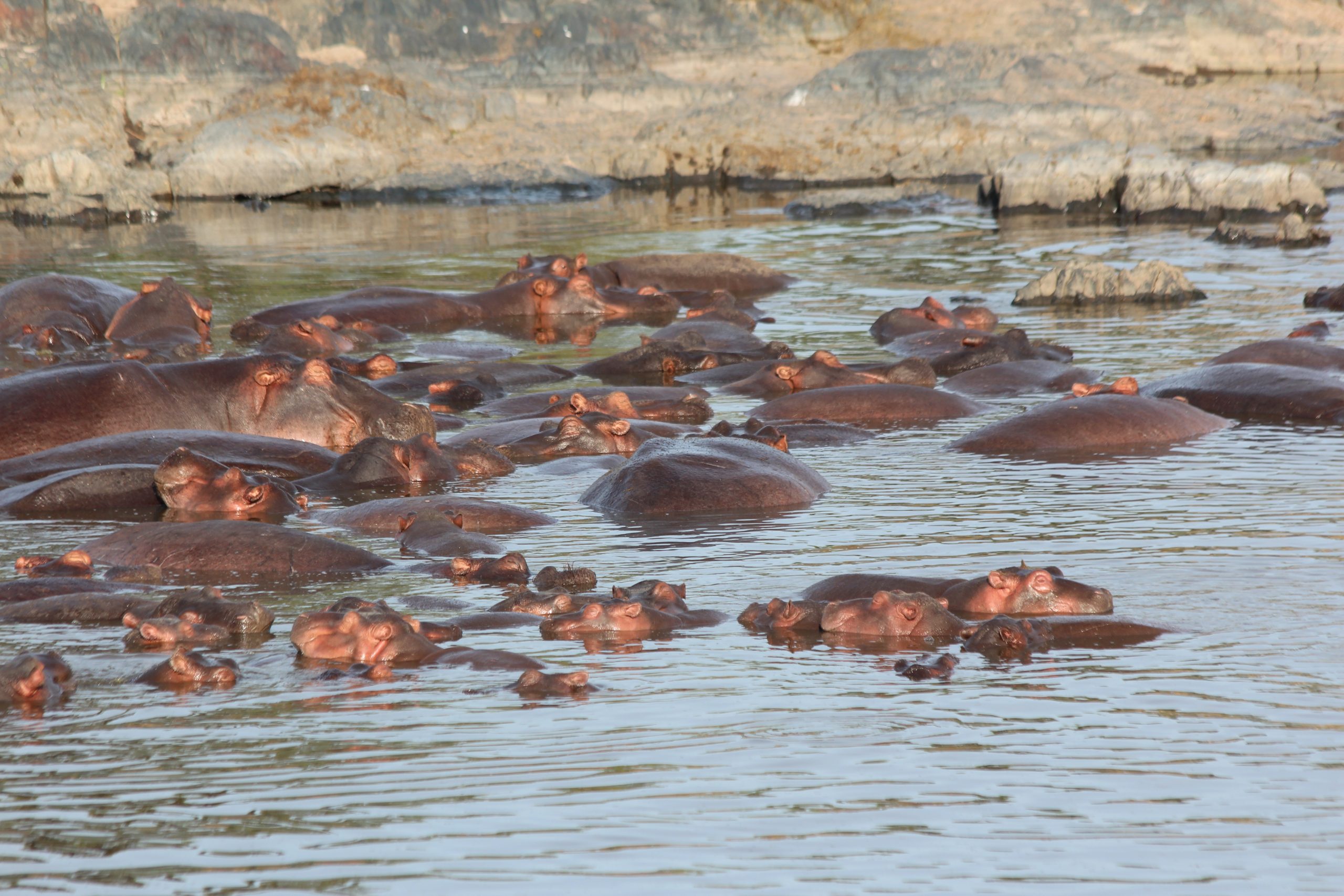
10 Best Tanzania safari parks
Best 10 Tanzania Safari Parks: Complete Guide to the Best Parks and When to Visit
Tanzania is one of Africa’s most spectacular safari destinations, offering extraordinary wildlife, breathtaking landscapes and unforgettable African adventures. From the world-famous Great Wildebeest Migration in Serengeti National Park to the impressive elephant herds of Tarangire and the remarkable Ngorongoro Crater, Tanzania offers some of the best wildlife experiences in the world.
But with so many incredible destinations to choose from, which are the best safari parks in Tanzania? And when is the best time to visit each park?
In this complete Tanzania safari guide, we rank the 10 best safari parks in Tanzania, explain what makes each destination special, highlight the wildlife you can expect to see and reveal the best months to plan your safari.
Whether you are planning your first African safari, a luxury honeymoon, a family adventure or a photography expedition, this guide will help you discover the perfect Tanzania safari experience.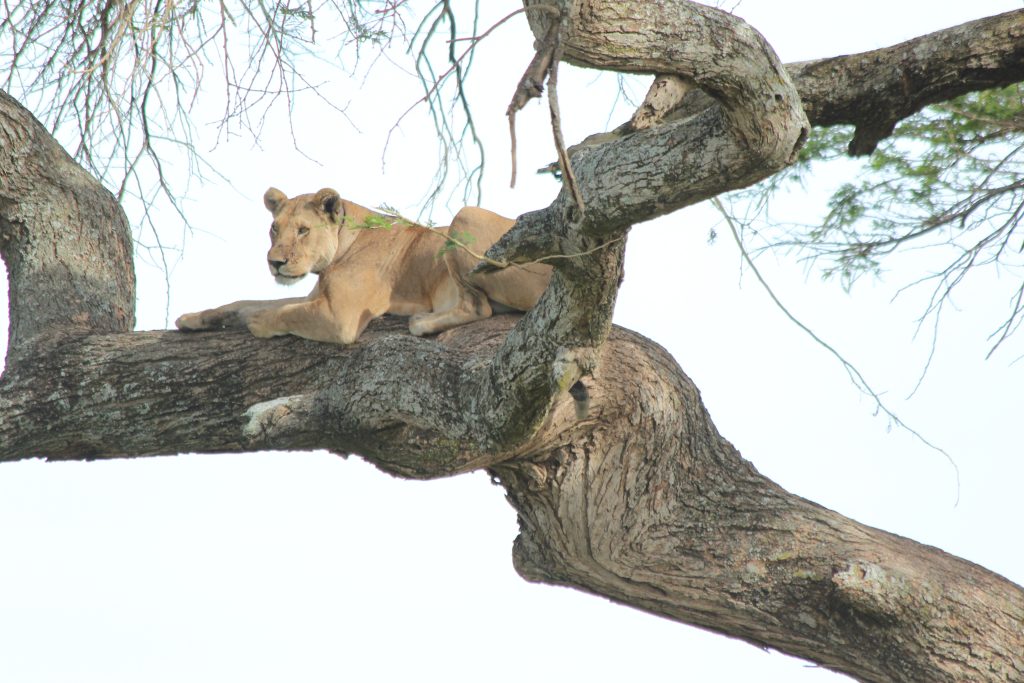
Top 10 Best Safari Parks in Tanzania at a Glance
Here is our ranking of the best Tanzania safari destinations based on wildlife diversity, scenery, safari experiences and overall visitor appeal.
| Rank | Safari destination | Best time to visit |
|---|---|---|
| 1 | Serengeti National Park | June–October, January–February |
| 2 | Ngorongoro Conservation Area | June–October |
| 3 | Tarangire National Park | July–October |
| 4 | Nyerere National Park | June–October |
| 5 | Ruaha National Park | June–October |
| 6 | Lake Manyara National Park | June–October |
| 7 | Mikumi National Park | June–October |
| 8 | Mahale Mountains National Park | June–October |
| 9 | Katavi National Park | July–October |
| 10 | Arusha National Park | June–October |
This is our recommended editorial ranking, not an official government ranking. The ideal destination depends on your interests, travel dates and preferred safari experience.
1. Serengeti National Park – Best Overall Safari Park in Tanzania
Best time to visit: June to October and January to February
Serengeti National Park is Tanzania’s most famous safari destination and one of the world’s greatest wildlife conservation areas.
Located in northern Tanzania, the Serengeti is internationally recognised for its endless golden plains, spectacular predator sightings and the incredible Great Wildebeest Migration.
Every year, more than a million wildebeest, accompanied by large numbers of zebras and gazelles, move through the Serengeti ecosystem in search of fresh grazing and water.
What animals can you see in Serengeti?
The Serengeti is home to an incredible variety of wildlife, including:
- Lions
- Leopards
- Cheetahs
- African elephants
- African buffaloes
- Black rhinoceroses
- Wildebeest
- Zebras
- Giraffes
- Hyenas
The park is particularly famous for its large lion populations and exceptional opportunities for wildlife photography.
The Great Wildebeest Migration
The Great Migration is the Serengeti’s biggest attraction. This spectacular natural event involves enormous herds of wildebeest and zebras moving across the ecosystem throughout the year.
One of the most exciting experiences is witnessing the Mara River crossings in the northern Serengeti, where crocodiles and strong river currents make the crossing particularly dramatic.
Best months to visit Serengeti National Park
- January–February: Excellent for wildebeest calving in the southern Serengeti and Ndutu region.
- March–May: Green landscapes, although the long rains can affect travel conditions.
- June–July: Good opportunities to see migration herds moving through the western corridor.
- August–October: Excellent dry-season wildlife viewing and opportunities for northern Serengeti river crossings.
- November–December: Migration herds generally move south as the short rains begin.
Why visit Serengeti?
Serengeti is our number one recommendation for travellers looking for an unforgettable African safari, the Great Migration, Big Five wildlife and exceptional game drives.
2. Ngorongoro Conservation Area – Best for Big Five Wildlife Viewing
Best time to visit: June to October
The Ngorongoro Conservation Area is one of Tanzania’s most extraordinary natural destinations and a UNESCO World Heritage Site.
Its greatest attraction is the Ngorongoro Crater, a spectacular volcanic caldera supporting an extraordinary concentration of wildlife.
The crater floor contains grasslands, forests, freshwater lakes and wetlands, creating a unique ecosystem where visitors can encounter many different animals during a single game drive.
What animals can you see in Ngorongoro?
Ngorongoro is one of the best places in Tanzania to search for the African Big Five:
- Lions
- Leopards
- African elephants
- African buffaloes
- Black rhinoceroses
Other wildlife includes zebras, wildebeest, hyenas, hippos, jackals and numerous bird species.
Best time to visit Ngorongoro Crater
June to October is generally an excellent period for wildlife viewing because of drier conditions and relatively short vegetation.
January and February are also rewarding months, especially when combined with a visit to the southern Serengeti and Ndutu calving grounds.
Why visit Ngorongoro?
Ngorongoro is ideal for first-time safari visitors, families, photographers and travellers who want outstanding wildlife viewing in a relatively compact area.
It is also one of the most popular destinations to combine with Serengeti National Park and Tarangire National Park.
3. Tarangire National Park – Best for Elephants and Baobab Trees
Best time to visit: July to October
Tarangire National Park is one of the most beautiful and rewarding safari destinations in northern Tanzania.
The park is famous for its ancient baobab trees, large elephant herds and the Tarangire River, which becomes an important source of water during the dry season.
As surrounding seasonal water sources disappear, many animals gather around the river, creating excellent wildlife-viewing opportunities.
What animals can you see in Tarangire?
- Large herds of African elephants
- Lions
- Leopards
- Cheetahs
- Giraffes
- Zebras
- Wildebeest
- Buffaloes
- Numerous bird species
Tarangire is also an excellent destination for birdwatchers, with more than 500 recorded bird species.
Best time to visit Tarangire National Park
July to October is the best period for general wildlife viewing, particularly for visitors hoping to see large elephant herds around the river and water sources.
November to May offers beautiful green scenery, seasonal wildlife movements and excellent birdwatching.
Why visit Tarangire?
Tarangire is perfect for elephant lovers, nature photographers and travellers looking for an exceptional safari experience away from some of the busier wildlife areas.
4. Nyerere National Park – Best for Boat Safaris and African Wild Dogs
Best time to visit: June to October
Nyerere National Park is one of Africa’s largest protected wilderness destinations and an excellent choice for travellers seeking a different kind of safari.
Located in southern Tanzania, Nyerere forms part of the greater Selous ecosystem and is famous for its rivers, lakes, floodplains and diverse wildlife.
Unlike many northern Tanzania safari destinations, Nyerere offers opportunities to experience wildlife from both land and water.
What makes Nyerere special?
- African wild dogs
- Elephants
- Lions
- Leopards
- Buffaloes
- Hippos
- Crocodiles
- Exceptional birdlife
The Rufiji River is one of the park’s most important attractions.
Safari activities in Nyerere
Visitors can enjoy:
- Traditional 4×4 game drives
- Boat safaris
- Guided walking safaris
- Birdwatching
- Wildlife photography
Best time to visit Nyerere National Park
June to October is the best overall period for wildlife viewing, as animals become concentrated around permanent water sources.
November to February is greener and rewarding for birdwatching, although rainfall can affect accessibility.
Why visit Nyerere?
Nyerere is ideal for travellers who want boat safaris, walking experiences, African wild dogs and a quieter wilderness atmosphere.
5. Ruaha National Park – Best for Remote Wilderness and Predators
Best time to visit: June to October
Ruaha National Park is one of Tanzania’s largest national parks and one of the country’s most rewarding destinations for authentic wilderness safaris.
Located in southern Tanzania, Ruaha features enormous baobab trees, rocky hills, open savannah and seasonal rivers.
The park is particularly famous for elephants, lions and other predators.
What animals can you see in Ruaha?
- Elephants
- Lions
- Leopards
- Cheetahs
- African wild dogs
- Buffaloes
- Giraffes
- Zebras
- Numerous bird species
Best time to visit Ruaha National Park
June to October is the preferred safari season.
During these months, animals concentrate around rivers and water sources, making wildlife easier to spot.
The green season from November to April offers beautiful landscapes and rewarding birdwatching, although some roads become difficult during heavy rainfall.
Why visit Ruaha?
Ruaha is perfect for experienced safari travellers, wildlife photographers and visitors seeking a more exclusive experience away from crowded safari routes.
6. Lake Manyara National Park – Best for Birdwatching and Scenic Landscapes
Best time to visit: June to October
Lake Manyara National Park is a beautiful wildlife destination located beneath the Great Rift Valley escarpment in northern Tanzania.
Although smaller than Serengeti and Tarangire, the park offers remarkable scenery and diverse habitats.
It is particularly famous for tree-climbing lions, large troops of baboons, beautiful groundwater forests and abundant birdlife.
What animals can you see in Lake Manyara?
- Tree-climbing lions
- Elephants
- Giraffes
- Zebras
- Buffaloes
- Baboons
- Hippos
- Flamingos
- Other waterbirds
Best time to visit Lake Manyara
June to October is a good period for general wildlife viewing.
November to April is particularly attractive for birdwatchers, as migratory birds arrive and the landscapes become greener.
Why visit Lake Manyara?
Lake Manyara is an excellent addition to a northern Tanzania safari, especially when combined with Tarangire, Ngorongoro and Serengeti.
7. Mikumi National Park – Best for Short Safaris from Dar es Salaam
Best time to visit: June to October
Mikumi National Park is one of the most accessible safari destinations in southern Tanzania.
Its open grasslands and impressive wildlife make it a popular choice for travellers based in Dar es Salaam.
The Mkata Floodplain is one of the park’s most important wildlife-viewing areas.
What animals can you see in Mikumi?
- Lions
- Elephants
- Giraffes
- Zebras
- Wildebeest
- Buffaloes
- Hippos
- Various bird species
Best time to visit Mikumi National Park
June to October is generally the best period for wildlife viewing because of thinner vegetation and animals gathering around water sources.
November to May offers green landscapes and birdwatching opportunities, although heavy rain can affect road conditions.
Why visit Mikumi?
Mikumi is an excellent choice for short safari holidays, visitors travelling from Dar es Salaam and travellers looking for an accessible southern Tanzania safari.
8. Mahale Mountains National Park – Best for Chimpanzee Trekking
Best time to visit: June to October
Mahale Mountains National Park is one of Tanzania’s most unique and beautiful wildlife destinations.
Located along the shores of Lake Tanganyika in western Tanzania, Mahale combines tropical rainforest, mountain scenery and spectacular lakeside beaches.
Its biggest attraction is wild chimpanzee trekking.
Unlike traditional savannah safaris, visitors explore the forest on foot with experienced guides to observe chimpanzees in their natural habitat.
What makes Mahale special?
- Wild chimpanzees
- Tropical rainforest
- Lake Tanganyika
- Forest birds
- Other primates
- Spectacular mountain scenery
Best time to visit Mahale Mountains
June to October is generally the preferred period for chimpanzee trekking because of drier conditions.
The wetter months offer beautiful forest scenery, although trekking can become more challenging.
Why visit Mahale?
Mahale is ideal for adventurous travellers, nature lovers and anyone interested in experiencing Tanzania’s remarkable primate wildlife.
9. Katavi National Park – Best for Remote African Wilderness
Best time to visit: July to October
Katavi National Park is one of Tanzania’s most remote and least-visited safari destinations.
Located in western Tanzania, the park is famous for its enormous buffalo herds, hippos, crocodiles and dramatic seasonal floodplains.
During the dry season, shrinking water sources create extraordinary wildlife concentrations.
What animals can you see in Katavi?
- Buffaloes
- Hippos
- Crocodiles
- Lions
- Elephants
- Other predators and plains wildlife
Best time to visit Katavi National Park
July to October offers the best general wildlife-viewing conditions.
The dry season attracts large concentrations of animals around remaining water sources.
November to April brings rainfall and beautiful scenery, but access can become more challenging.
Why visit Katavi?
Katavi is ideal for travellers seeking remote wilderness, fewer visitors and an authentic African safari experience.
10. Arusha National Park – Best for Walking Safaris and Short Trips
Best time to visit: June to October
Arusha National Park is one of the most accessible national parks in northern Tanzania.
Located close to Arusha city, it offers an impressive variety of landscapes, including Mount Meru, crater lakes, forests and open grasslands.
Although it does not offer the same concentration of large predators as Serengeti, it provides a unique combination of nature, scenery and outdoor activities.
What animals can you see in Arusha National Park?
- Giraffes
- Zebras
- Buffaloes
- Colobus monkeys
- Warthogs
- Flamingos
- Numerous bird species
Activities in Arusha National Park
- Guided walking safaris
- Canoeing on Momella Lakes
- Wildlife photography
- Nature walks
- Mount Meru trekking
Best time to visit Arusha National Park
June to October is an excellent period for walking safaris, hiking and general sightseeing.
November to February offers beautiful green scenery and rewarding birdwatching.
Why visit Arusha National Park?
Arusha National Park is perfect for short safari adventures, walking safaris and travellers who want to experience Tanzania’s natural beauty close to the city.
Best Time to Visit Tanzania for a Safari
One of the most frequently asked questions by international travellers is: When is the best time to visit Tanzania for a safari?
The answer depends on the wildlife you want to see, the parks you plan to visit and your preferred travel experience.
Tanzania is a year-round safari destination, but the country has distinct dry and wet seasons.
June to October – Best Overall Time for a Tanzania Safari
June to October is generally the best period for traditional wildlife viewing across many of Tanzania’s national parks.
During the dry season:
- Vegetation becomes thinner.
- Animals gather around rivers and waterholes.
- Wildlife becomes easier to spot.
- Roads are generally easier to navigate.
- Days are often sunny and suitable for game drives.
The Serengeti, Tarangire, Ngorongoro, Ruaha and Nyerere are particularly rewarding during this period.
January to February – Best Time for Wildebeest Calving
January and February are excellent months to visit the southern Serengeti and Ndutu region.
During this period, large numbers of wildebeest give birth to their young.
The calving season attracts predators such as lions, cheetahs, hyenas and leopards, creating outstanding wildlife photography opportunities.
November to December – Best for Green Landscapes and Birdwatching
The short rains transform Tanzania’s landscapes into beautiful green environments.
This period offers:
- Lush scenery.
- Excellent birdwatching.
- Migratory bird species.
- Beautiful photography conditions.
- Opportunities for quieter safari experiences.
March to May – Green Season and Long Rains
March, April and May generally experience the long rains in many safari regions.
Although this is not the preferred season for traditional wildlife viewing, it offers beautiful landscapes, fewer visitors and potentially lower accommodation prices.
Some camps close temporarily, and certain roads may become difficult to access.
It can be a rewarding period for travellers with flexible schedules.
Tanzania Safari Calendar: Best Parks to Visit Each Month
| Month | Wildlife and weather | Best safari destinations |
|---|---|---|
| January | Calving season | Southern Serengeti and Ndutu |
| February | Excellent calving and predator activity | Ndutu and Serengeti |
| March | Green season and rainfall | Ngorongoro |
| April | Long rains and lush landscapes | Lake Manyara |
| May | Green scenery and fewer visitors | Serengeti |
| June | Dry season begins | Serengeti and Tarangire |
| July | Excellent dry-season wildlife viewing | Serengeti and Tarangire |
| August | Peak dry-season safari | Northern Serengeti |
| September | Excellent wildlife viewing | Ruaha and Serengeti |
| October | Animals gather around water sources | Tarangire and Nyerere |
| November | Short rains and green scenery | Serengeti |
| December | Green season and birdwatching | Lake Manyara and Ngorongoro |
Important: Wildlife movements are natural and unpredictable. The Great Migration does not follow an exact calendar, so the best safari location should be selected according to current migration information and seasonal patterns.
Northern Tanzania vs Southern Tanzania Safari
Tanzania has several safari circuits, each offering a different wildlife experience.
Northern Tanzania Safari Circuit
The northern circuit is the most popular safari region in Tanzania.
Its main destinations include:
- Serengeti National Park
- Ngorongoro Conservation Area
- Tarangire National Park
- Lake Manyara National Park
- Arusha National Park
The northern circuit is ideal for first-time visitors because it combines excellent wildlife viewing, iconic landscapes, the Great Migration and established safari infrastructure.
A 5–10-day safari is a good starting point.
Southern Tanzania Safari Circuit
The southern circuit offers a more remote and less crowded safari experience.
Its main destinations include:
- Nyerere National Park
- Ruaha National Park
- Mikumi National Park
- Udzungwa Mountains National Park
The southern circuit is particularly attractive for travellers looking for boat safaris, walking safaris, African wild dogs and enormous wilderness areas.
A 5–8-day safari can provide a rewarding introduction to this region, although longer trips allow more time for exploration.
Western Tanzania Safari Circuit
Western Tanzania offers some of the country’s most adventurous wildlife experiences.
Its main destinations include:
- Mahale Mountains National Park
- Katavi National Park
- Gombe National Park
This region is particularly attractive for chimpanzee trekking, remote wilderness adventures and travellers who want to discover less-visited destinations.
Flights and travel logistics generally require more planning.
Recommended Tanzania Safari Itineraries
Combining different parks is one of the best ways to experience Tanzania’s wildlife diversity.
Here are three popular safari combinations.
7-Day Northern Tanzania Safari
A classic itinerary for first-time safari visitors.
- Day 1: Arrival in Arusha.
- Day 2: Tarangire National Park.
- Day 3: Lake Manyara National Park.
- Day 4: Ngorongoro Conservation Area.
- Days 5–6: Serengeti National Park.
- Day 7: Return to Arusha.
8-Day Great Migration Safari
An excellent choice for travellers hoping to experience the Great Migration.
- Day 1: Arrival in Arusha.
- Day 2: Tarangire National Park.
- Day 3: Ngorongoro Conservation Area.
- Days 4–6: Serengeti National Park.
- Day 7: Explore the migration region appropriate to the travel season.
- Day 8: Return to Arusha.
The Serengeti accommodation location should be selected according to the expected movement of the herds.
7-Day Southern Tanzania Safari
An ideal itinerary for travellers looking for remote wilderness and diverse safari activities.
- Day 1: Arrival in Dar es Salaam.
- Days 2–3: Nyerere National Park.
- Days 4–6: Ruaha National Park.
- Day 7: Departure.
Internal flights can help make this itinerary more practical.
How Much Does a Tanzania Safari Cost?
The cost of a Tanzania safari depends on several factors, including:
- Number of safari days.
- Accommodation category.
- Number of travellers.
- Park entry and conservation fees.
- Private or shared safari vehicle.
- Domestic flights.
- Travel season.
- Activities included in the package.
Generally, Tanzania safari packages fall into three main categories.
Suitable for travellers looking for an affordable adventure, usually involving camping or basic accommodation and shared transport where available.
Ideal for travellers who want comfortable lodges or tented camps, quality meals, private or small-group transport and professional safari guides.
Designed for travellers seeking premium accommodation, exclusive tented camps, private safari experiences and potentially charter flights.
The dry season, particularly July to October, is a popular travel period, so early booking is recommended.
For an accurate safari quotation, always compare what is included in the package rather than looking at accommodation prices alone.
Frequently Asked Questions About Tanzania Safari Parks
What is the best safari park in Tanzania?
Serengeti National Park is generally considered the best overall safari destination in Tanzania because of its Great Wildebeest Migration, abundant wildlife, large predator populations and exceptional safari experiences.
What is the best month to visit Tanzania for a safari?
September is an excellent month for traditional dry-season wildlife viewing across many parks. February is particularly good for wildebeest calving in the southern Serengeti.
Which Tanzania safari park has the Big Five?
Serengeti National Park and the Ngorongoro Conservation Area are among the best places to search for the Big Five: lions, leopards, elephants, buffaloes and rhinoceroses.
Which Tanzania national park is best for elephants?
Tarangire National Park is particularly famous for its large elephant herds, especially during the dry season from July to October.
Where can I see the Great Wildebeest Migration in Tanzania?
The Great Wildebeest Migration takes place throughout the Serengeti ecosystem. The best location depends on the season. The southern plains are particularly rewarding during the January–February calving season, while the northern Serengeti offers opportunities to witness Mara River crossings, often between July and October.
Is December a good time to visit Tanzania?
Yes. December is a rewarding time to visit Tanzania, particularly the Serengeti, Ngorongoro and Lake Manyara. The short rains create beautiful green scenery and excellent birdwatching opportunities.
Which Tanzania safari park is best for first-time visitors?
Serengeti, Ngorongoro and Tarangire are excellent choices for first-time safari visitors because they offer diverse wildlife, impressive landscapes and established safari infrastructure.
How many days do you need for a Tanzania safari?
A 5–7-day safari is a good introduction to northern Tanzania. An 8–10-day itinerary allows travellers to explore more parks at a relaxed pace.
What is the cheapest time to visit Tanzania for a safari?
April and May are often among the more affordable months because of the long rains and lower tourist demand. However, some camps close temporarily and road conditions can be challenging.
Can I combine a Tanzania safari with Zanzibar?
Absolutely! Many travellers combine a wildlife safari in Serengeti, Ngorongoro or Tarangire with a relaxing beach holiday in Zanzibar. Domestic flights make this combination convenient.
Final Thoughts: Discover the Best Tanzania Safari Parks
Tanzania offers some of the most spectacular wildlife experiences in Africa, and every safari destination has something unique to offer.
From the endless plains of Serengeti National Park to the magnificent Ngorongoro Crater, the elephant-filled landscapes of Tarangire and the remote wilderness of Ruaha and Nyerere, Tanzania is a destination that deserves to be explored.
For first-time visitors, we recommend starting with the northern Tanzania safari circuit, combining Serengeti, Ngorongoro and Tarangire.
For travellers seeking a more exclusive adventure, southern Tanzania offers outstanding opportunities for boat safaris, walking safaris and unforgettable wildlife encounters.
The best safari itinerary is ultimately the one that matches your travel dates, budget, wildlife interests and preferred style of adventure.
Are you ready to experience the magic of Tanzania?
Start planning your Tanzania safari today and discover why Tanzania remains one of the world’s greatest African safari destinations.
whatsapp +255743627874
kilifootprints@gmail.com