
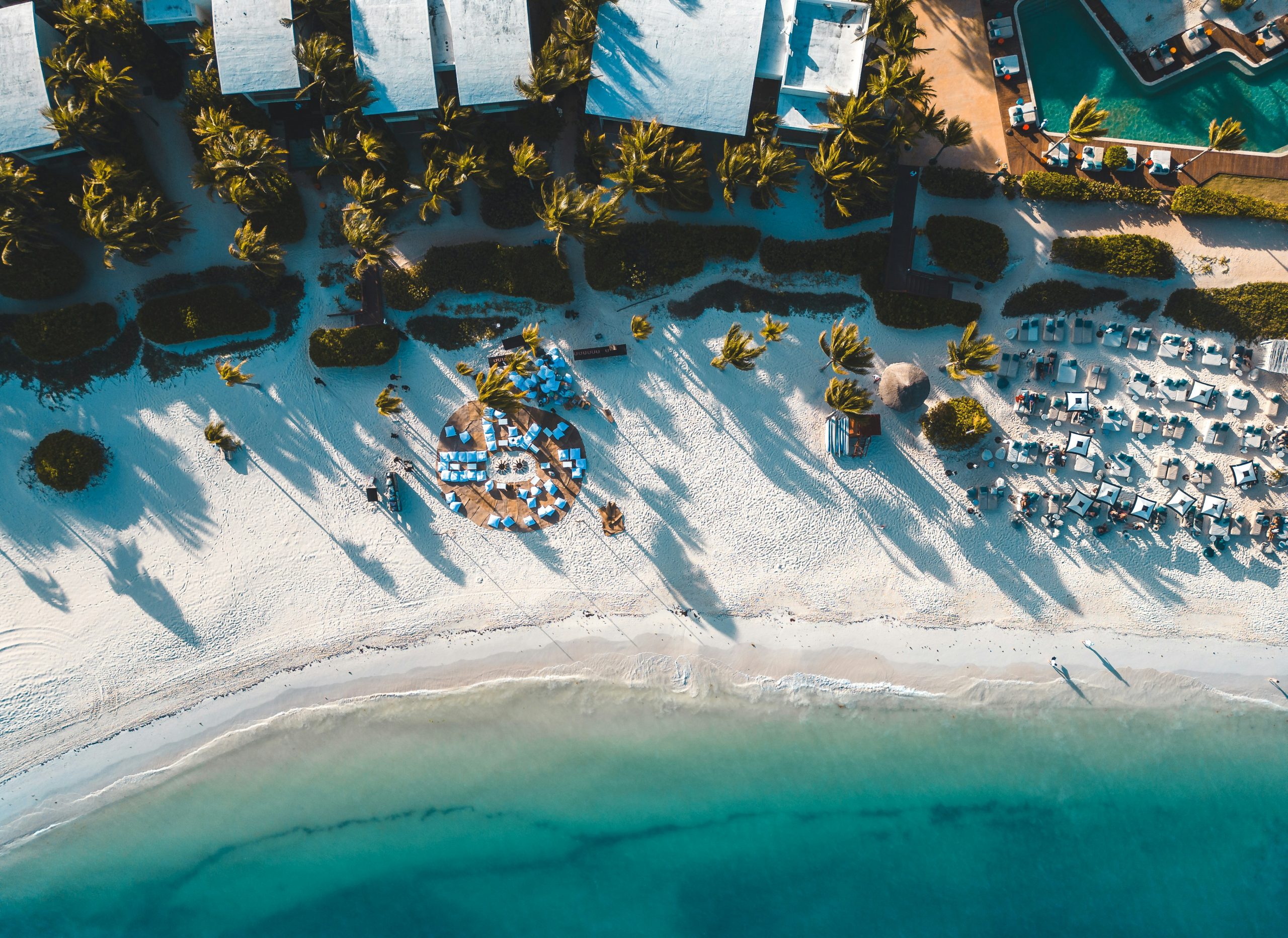
History of Zanzibar Island
Zanzibar, often known as the Spice Island, has a rich and fascinating history shaped by centuries of trade, cultural exchange, and different civilizations. Located off the coast of mainland Tanzania in the Indian Ocean, Zanzibar has long been an important trading centre connecting East Africa with Arabia, Persia, India, and other parts of the world.
For centuries, Arab, Persian, Indian, and African traders visited the island, bringing their traditions, religions, languages, and architecture. This cultural influence helped create the unique Swahili culture that makes Zanzibar so special today.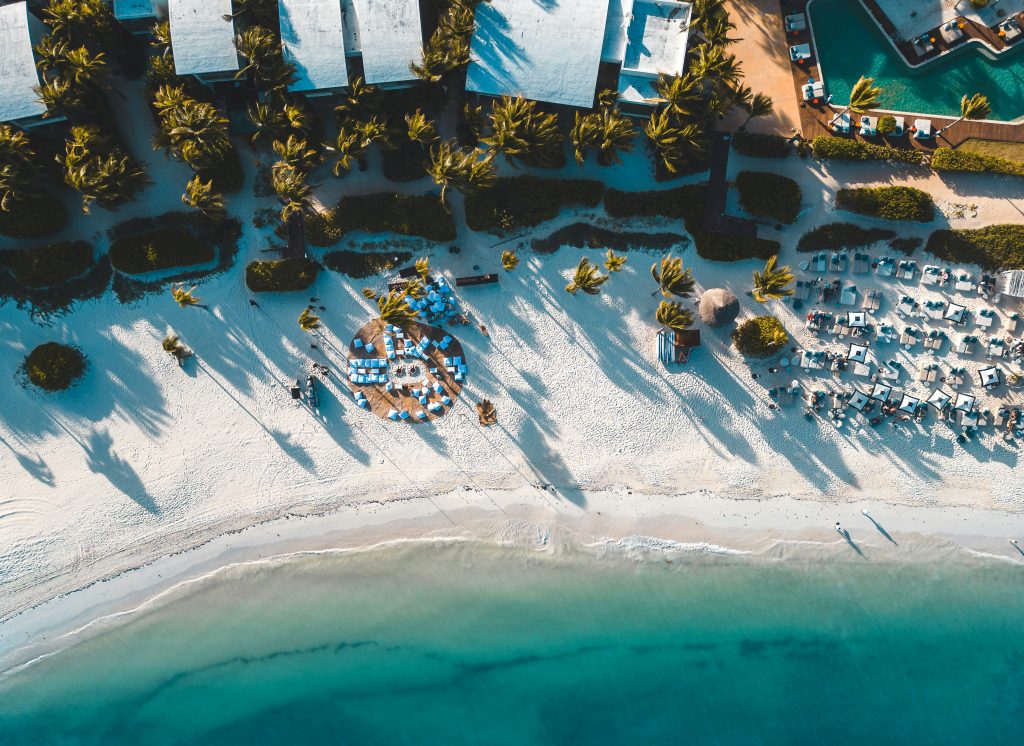
During the 19th century, Zanzibar became an important centre of the Omani Sultanate under Sultan Said bin Sultan. The island prospered through the trade in cloves, spices, ivory, and unfortunately, enslaved people. Stone Town became the political and commercial heart of the region and remains one of the best-preserved examples of Swahili coastal architecture.
In 1890, Zanzibar became a British protectorate and remained under British influence until gaining independence on 10 December 1963. Shortly afterwards, the Zanzibar Revolution took place on 12 January 1964, bringing an end to the Sultanate.
On 26 April 1964, Zanzibar united with Tanganyika to form the United Republic of Tanzania, although it continues to maintain its own government and considerable autonomy within the union.
Today, Zanzibar is one of Africa’s most popular tourist destinations, celebrated for its white sandy beaches, turquoise waters, historic Stone Town, spice plantations, and vibrant Swahili culture. Its fascinating history and cultural diversity make the island much more than a tropical holiday destination
Zanzibar and the History of the Slave Trade
One of the darkest chapters in Zanzibar’s history was its involvement in the East African slave trade.
During the 18th and 19th centuries, Zanzibar became a major centre for the trade in enslaved Africans. People were captured or transported from different parts of East and Central Africa and sold through trading networks that extended across the Indian Ocean and beyond.
Stone Town became an important centre for this trade, with markets and trading establishments connected to the regional slave economy.
The British government increasingly pressured the Sultanate to end the trade. In 1873, Sultan Barghash signed an agreement prohibiting the slave trade through Zanzibar’s markets.
Today, visitors can learn about this painful history at the former slave market site in Stone Town, where the Anglican Cathedral now stands. The site includes historical memorials and underground chambers associated with the history of slavery.
Visiting this location provides an important opportunity to understand the island’s past and remember the millions of Africans affected by the slave trade.
British Protectorate and Colonial Rule
In 1890, Zanzibar became a British protectorate following an agreement between Britain and Germany concerning their respective interests in East Africa.
Although the Sultan remained the formal ruler, Britain exercised considerable political influence over the island.
One of the most remarkable events of this period was the Anglo-Zanzibar War of 27 August 1896, widely recognised as the shortest recorded war in history. The conflict lasted approximately 38 to 45 minutes before the British forces defeated the Sultan’s supporters.
British influence continued until Zanzibar gained independence on 10 December 1963, becoming a constitutional monarchy under Sultan Jamshid bin Abdullah.
The Zanzibar Revolution of 1964
On 12 January 1964, a revolution took place that brought an end to the Sultanate and changed Zanzibar’s political history.
The revolution resulted in the establishment of a new government under revolutionary leadership. It was a major turning point in the island’s history, although it was also accompanied by significant violence and human suffering.
On 26 April 1964, Zanzibar united with Tanganyika to form the United Republic of Tanzania.
The name Tanzania was created from the names Tanganyika and Zanzibar. Although united as one country, Zanzibar continues to maintain its own President, House of Representatives, and government responsible for non-union matters.
Stone Town: The Historical Heart of Zanzibar
Stone Town is one of the most important historical attractions in East Africa. Located on the western coast of Zanzibar, it represents centuries of cultural interaction between African, Arab, Indian, and European communities.
Its architecture reflects this diverse heritage, with narrow winding streets, traditional Swahili houses, historic mosques, old merchant residences, and beautifully carved wooden doors.
In 2000, Stone Town was recognised as a UNESCO World Heritage Site because of its outstanding historical and cultural significance.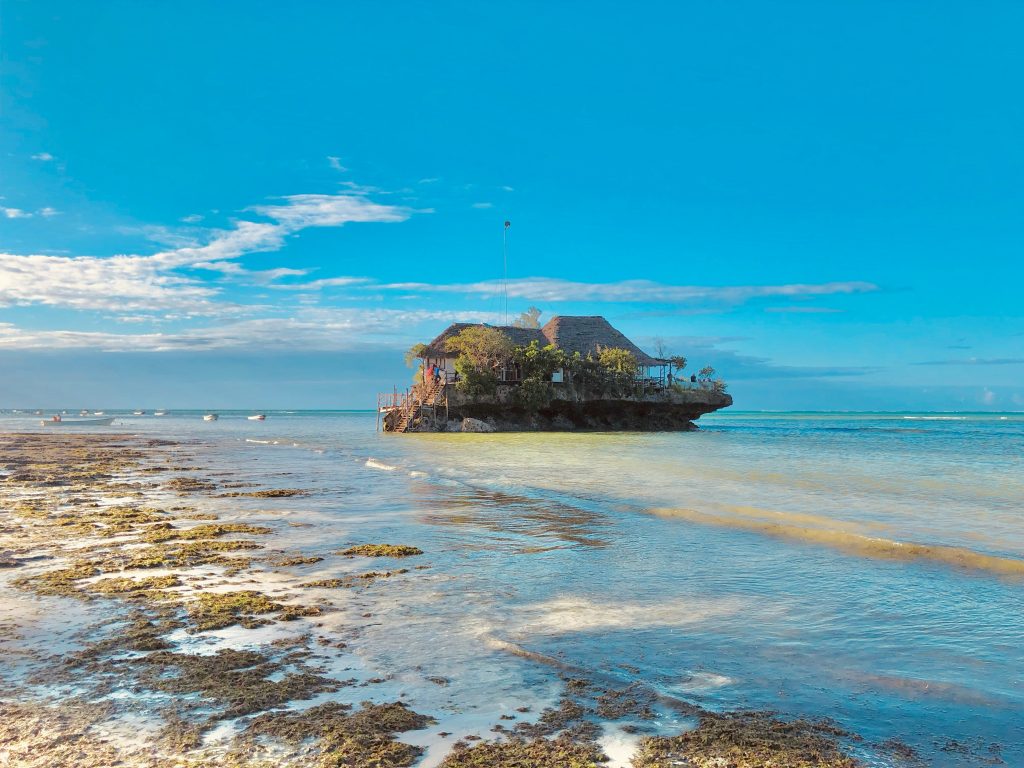
Some of the most interesting places to explore include:
- House of Wonders (Beit-al-Ajaib): A historic landmark associated with the former Sultanate.
- Old Fort: A historic defensive structure built during the Omani period.
- The Former Slave Market: An important historical site documenting Zanzibar’s involvement in the slave trade.
- The Sultan’s Palace Museum: A museum showcasing the history of Zanzibar’s royal family.
- Forodhani Gardens: A popular waterfront gathering place, especially in the evening.
- Darajani Market: A lively traditional market where visitors can discover local food, spices, and everyday island life.
A guided walking tour of Stone Town is one of the best ways to understand Zanzibar’s history and cultural heritage.
Zanzibar After Independence: Development and Tourism
Following the union with Tanganyika in 1964, Zanzibar gradually developed its modern economy, with tourism becoming one of its most important industries.
The island’s natural beauty, warm tropical climate, white sandy beaches, and rich cultural heritage attracted increasing numbers of international visitors.
Fishing, agriculture, seaweed farming, spice production, and tourism continue to contribute to the livelihoods of local communities.
Today, Zanzibar welcomes travellers from across the world who come to enjoy its beaches, explore its historical attractions, experience Swahili culture, and discover its beautiful marine environments.
Zanzibar Today: A Unique Blend of History, Culture and Adventure
Modern Zanzibar offers much more than a traditional beach holiday. It is a destination where history, culture, nature, and adventure come together.
Visitors can explore the historic streets of Stone Town, visit traditional spice farms, discover the wildlife of Jozani Forest, snorkel around Mnemba Atoll, swim in the turquoise waters of the Indian Ocean, or enjoy a traditional dhow cruise at sunset.
Popular destinations include Nungwi, Kendwa, Paje, Jambiani, Matemwe, and Kizimkazi, each offering a different experience.
The island’s traditional Swahili hospitality, delicious local cuisine, colourful markets, and fascinating history make it an unforgettable destination.
Whether you are interested in history, cultural experiences, marine adventures, or simply relaxing on tropical beaches, Zanzibar has something special to offer.
Discover Zanzibar with Kili Footprints
At Kili Footprints Treks, Safaris & Cycling, we help travellers experience the beauty of Tanzania through carefully organised adventures and holiday experiences.
Combine your Zanzibar beach holiday with a wildlife safari in Serengeti, Ngorongoro Crater, or Tarangire National Park, or experience the adventure of climbing Mount Kilimanjaro before relaxing on Zanzibar’s beautiful beaches.
Explore Tanzania with a local tour operator and discover the country’s incredible landscapes, wildlife, culture, and history.
Website: https://kilifootprints.com/
Email: kilifootprints@gmail.com