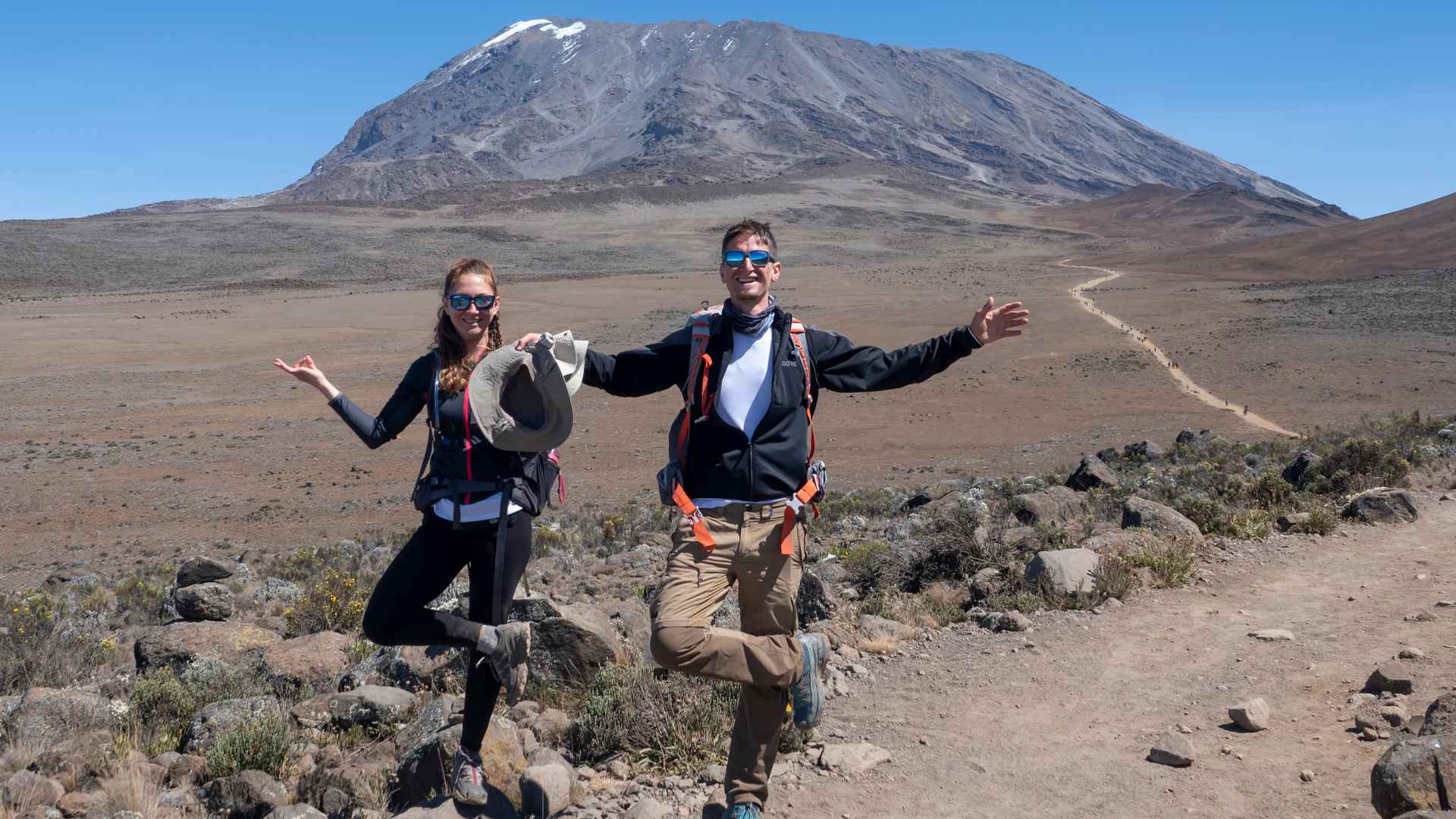


UHURU PEAK
Uhuru Peak: The Highest Point in Africa
Mount Kilimanjaro, a dormant volcano, is one of the most coveted “bucket list” destinations for hikers and climbers worldwide. As the tallest mountain in Tanzania and the entire African continent, Kilimanjaro boasts a towering height that draws both experienced climbers and hiking enthusiasts alike. Known for being the easiest of the Seven Summits (the highest peaks on each continent), Kilimanjaro is accessible to both seasoned mountaineers and beginners.
Uhuru Peak, standing at 5,895 meters (19,341 feet) above sea level, is the highest point on Mount Kilimanjaro and the tallest free-standing peak in Africa. Situated atop the volcanic cone Kibo, Uhuru Peak is the destination for between 20,000 and 35,000 hikers each year. The journey to this breathtaking summit offers some of the most stunning views of Tanzania and the African landscape.
More about Uhuru Peak
Often referred to as “Everyman’s Everest,” Mount Kilimanjaro is famous for being a relatively achievable climb compared to other mountains. While reaching Uhuru Peak is no easy feat, with the right preparation and equipment, it is a goal that even novice hikers can accomplish. For many, summiting Kilimanjaro is a once-in-a-lifetime achievement, offering an unparalleled sense of accomplishment at the highest point in Africa.
The Journey to Uhuru Peak
Reaching Uhuru Peak is the end goal for thousands of trekkers each year. On average, 40% of those who attempt the climb make it to the summit. The hike offers various routes, with five to eight different paths of varying difficulty. Some routes are suitable for beginners, while others are more challenging and require experienced guides to assist hikers along the way.
The Meaning of Uhuru Peak
Uhuru Peak is located on Kibo, the tallest of Kilimanjaro’s three volcanic peaks. The other two peaks are Mawenzi (5,149 meters) and Shira (3,962 meters). The name “Uhuru,” which means “freedom” in Swahili, was chosen to mark Tanzania’s independence from the United Kingdom in 1961, when Tanganyika became a sovereign nation.
Mount Kilimanjaro: A Unique Volcano
Mount Kilimanjaro is the tallest mountain in Africa and the highest free-standing peak on Earth. Unlike mountains that are part of a mountain range, Kilimanjaro rises isolated in the plains of Tanzania. While Mawenzi and Shira are considered extinct, Kibo remains dormant, with the last eruption occurring approximately 200,000 years ago.
Kilimanjaro is also unique in that it spans five distinct ecosystems as climbers ascend from base to summit. Over the course of the hike, trekkers pass through:
1. Rainforest Zone
2. Heather-Moorland Zone
3. Cultivation Zone
4. Alpine Desert Zone
5. Arctic Zone
At the base of Kilimanjaro, temperatures range from 69°F to 80°F (21°C to 27°C), but near the summit, at Uhuru Peak, temperatures can plummet to between 32°F and -22°F (0°C to -30°C).
Fun Facts About Uhuru Peak
– Though Uhuru Peak is the highest point in Africa, experienced climbers can reach the summit in less than a day from the base.
– There are seven primary routes to the summit, each with its unique difficulty level:
– Marangu (also called the “Coca-Cola” route)
– Machame
– Lemosho
– Shira
– Rongai
– Northern Circuit
– Umbwe
– The majority of routes approach from the south, though others come from the north and west. Some routes are suitable for beginners, while others present significant challenges.
– While Kilimanjaro is no longer an active volcano, it sits on a geological hotspot and could erupt again one day.
– Altitude sickness is the most common obstacle for hikers attempting to reach Uhuru Peak, not the climb itself.
– A book is kept at Uhuru Peak, where visitors can leave their thoughts upon reaching the summit.
Planning Your Kilimanjaro Adventure
Climbing Mount Kilimanjaro is an accessible yet awe-inspiring adventure. With no special technical equipment required for most routes, it’s more of a multi-day hike than a technical climb. The journey takes trekkers through five distinct ecosystems, from tropical rainforests to alpine deserts to the frigid summit.
Guided tours are available for all levels of hikers, with varying degrees of comfort and amenities, including meals, porters, and camping equipment. When choosing a tour, it’s important to consider:
– Tour amenities– porters, food, accommodation
– Equipment – oxygen, first aid, and proper gear
– Guide experience– skilled guides are crucial for ensuring safety and success
With numerous tour options, choosing the right one can be overwhelming. However, by prioritizing safety, experience, and comfort, hikers are sure to find an option that suits their needs.
Preparing for the Hike
Although technical climbing skills are not required, proper preparation is crucial for a successful summit. Some tips for preparing for the hike to Uhuru Peak include:
– Choose a tour of at least 8 days: Altitude sickness is the biggest challenge on Kilimanjaro, and a longer trek allows your body to acclimate to the changing altitude.
– Pack wisely Comfort is key. Bring layers for varying temperatures, a sleeping bag for rest, and plenty of water (aim for 3-4 liters a day). Electrolytes and water flavoring drops can help with hydration.
– Build endurance: Simulate the daily trek with endurance exercises, like long walks with a weighted backpack. Cardio training will help your body handle the altitude changes.
– Get health checks and vaccinations: Ensure you’re in good health before attempting the climb, and consult your doctor for any necessary vaccinations or medications.
– Choose the right season: The best times to climb are from January to March and June to October, when the weather is more favorable.
The Beauty of Uhuru Peak
For many, reaching Uhuru Peak is a deeply emotional and spiritual experience. The breathtaking views of snow-capped peaks, the rays of the sun breaking through the clouds, and the vastness of the African landscape create a sense of connection with nature that is both humbling and awe-inspiring.
Many tours aim to reach the summit at sunrise, providing hikers with a magnificent view that often brings tears to their eyes. Standing at the highest point in Africa is an unforgettable moment—one that not only offers a stunning view but also leaves hikers with a profound sense of achievement and peace.